
Farm & Allotments
At Yew Tree Primary School, our farm, allotments and sensory garden provide children with a unique outdoor learning environment where they can learn by doing. From caring for animals and growing food to investigating plants, habitats and the natural world, children across Nursery to Year 6 have regular opportunities to apply their classroom learning in meaningful, practical ways.
What do children gain from our farm and allotments?
- Responsibility – caring for animals and plants and understanding that living things depend on us.
- Independence – completing practical tasks and making decisions in a real-world environment.
- Science in action – observing habitats, life cycles, growth and seasonal change.
- Well-being – opportunities to experience nature, develop confidence and enjoy purposeful outdoor activity.
- Life skills – understanding where food comes from and developing practical skills that children can use beyond school.
How is learning supported at Yew Tree?
| Area | How we support learning |
| Science | Animals, plants, habitats, life cycles, seasonal change and living things. |
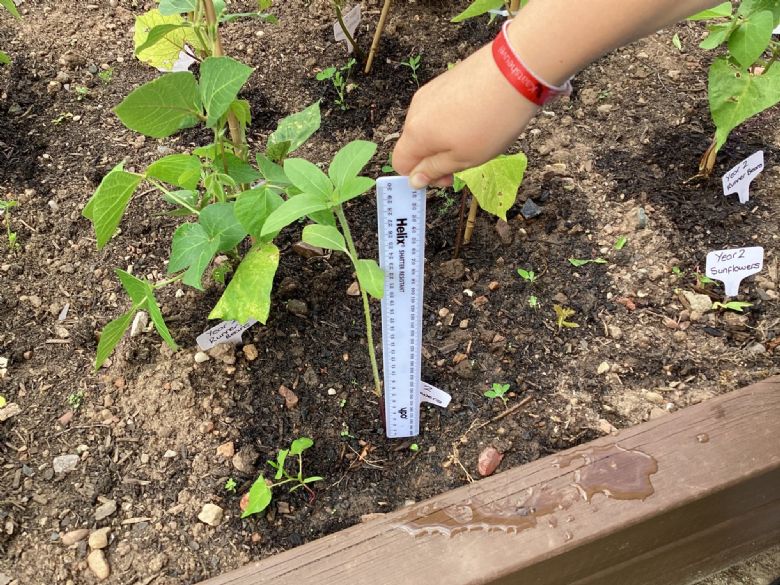
| Maths | Measuring, counting, estimating, comparing, recording and interpreting data. |
| English | Discussion, vocabulary, instructions, observation, recording and writing. |
| Geography | Environment, land use, food production and sustainability. |
| PSHE | Responsibility, teamwork, confidence, relationships and well-being. |
| Art and DT | Observational drawing, sketching, designing, creating, growing, harvesting and preparing food. |
Farm
We recognise the therapeutic benefits of working and being with animals and being engaged in other horticultural activities the farm provides. The activities on the farm help the pupils foster an attitude of care and respect towards the animals on the farm as well as fostering team work and respect for each other whilst in a working environment.
The farm is also used to give real-life, concrete examples of practical application of mathematical and literacy skills across all key stages.
What is in place?
- We are members of the School Farm Network, which supports and assists schools in developing their own farms.
- We work collaboratively with members of the school farming community to share ideas, expertise and good practice.
- We work with Rodbaston College to access specialist advice and support the continued development of our farm provision.
- For some pupils, the farm provides a supportive environment in which to develop self-esteem, personal awareness and positive choices and behaviours.
- We have a year group timetable in place for all year groups to access the farm.
Our School Farm Redevelopment
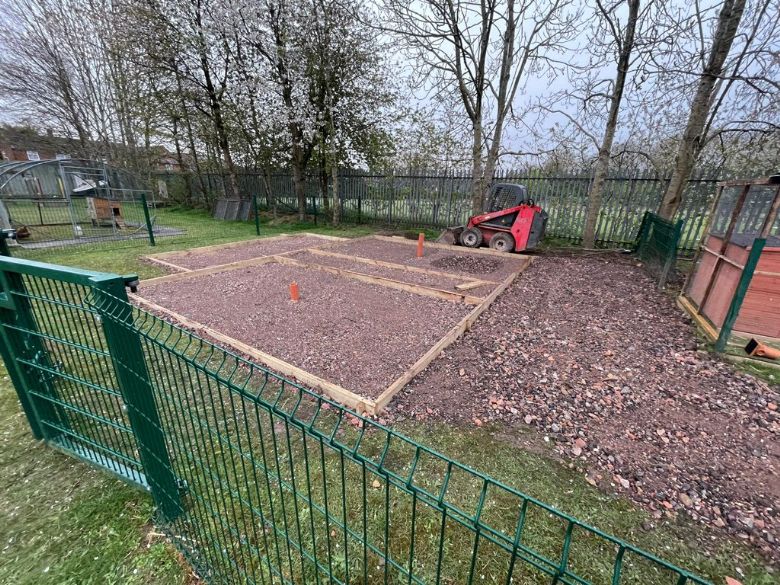
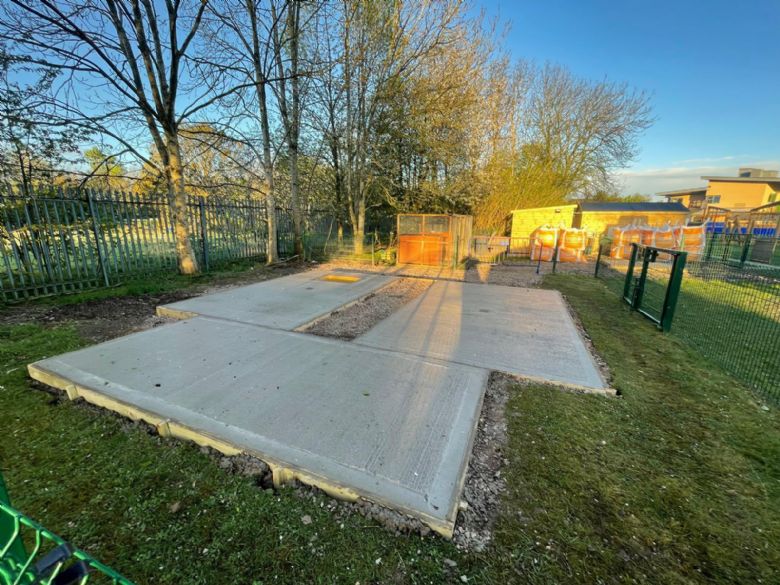
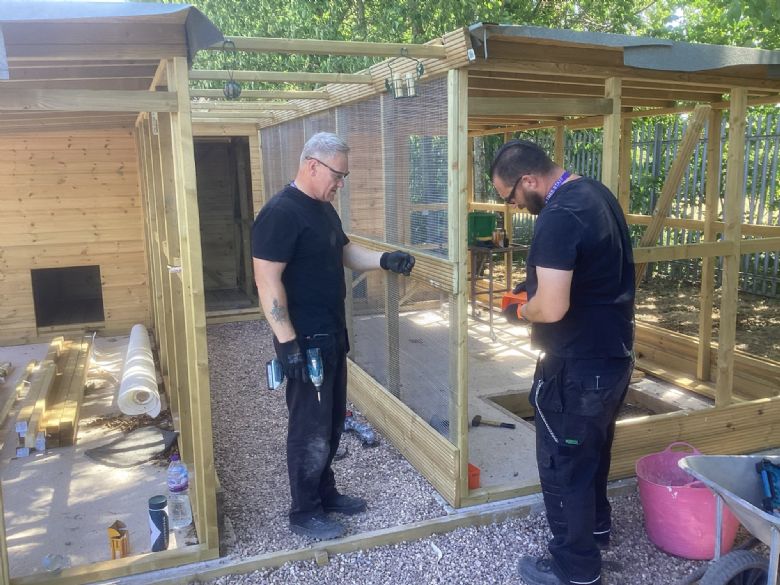
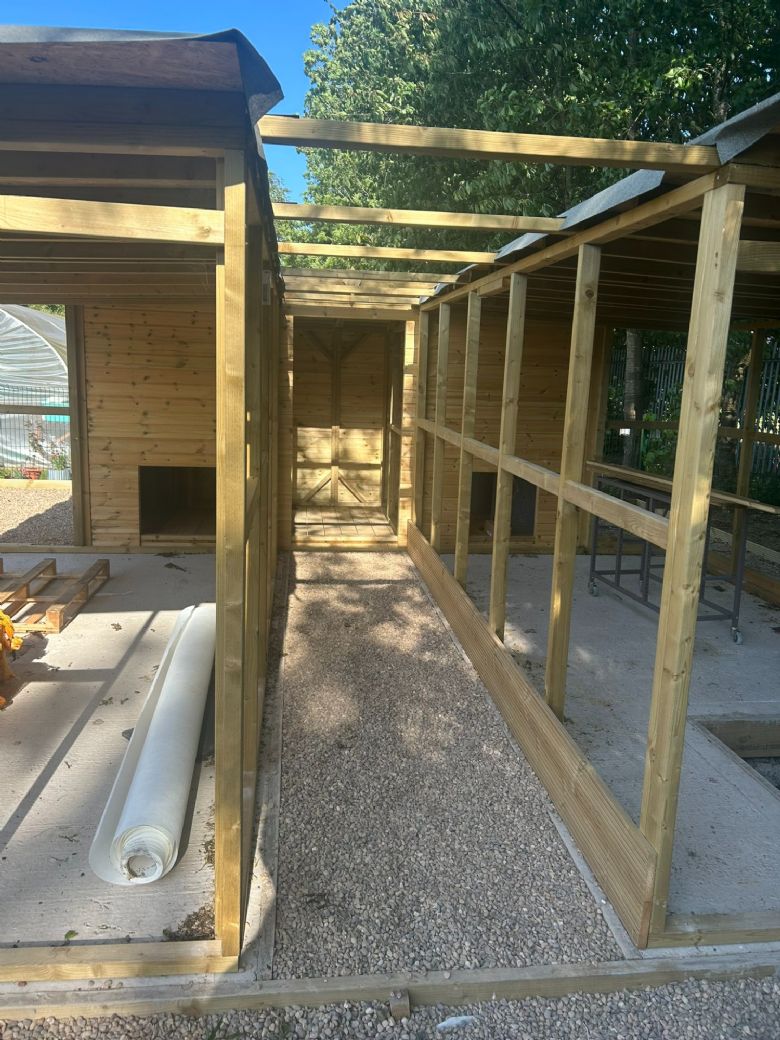
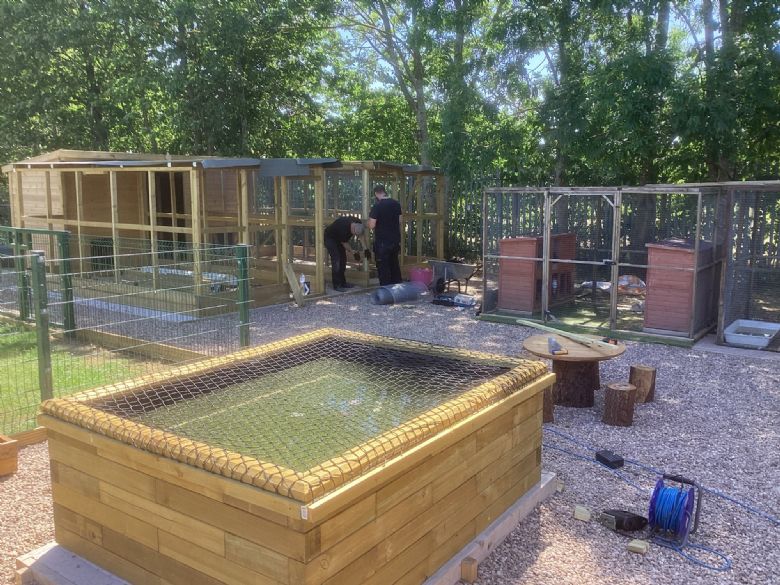
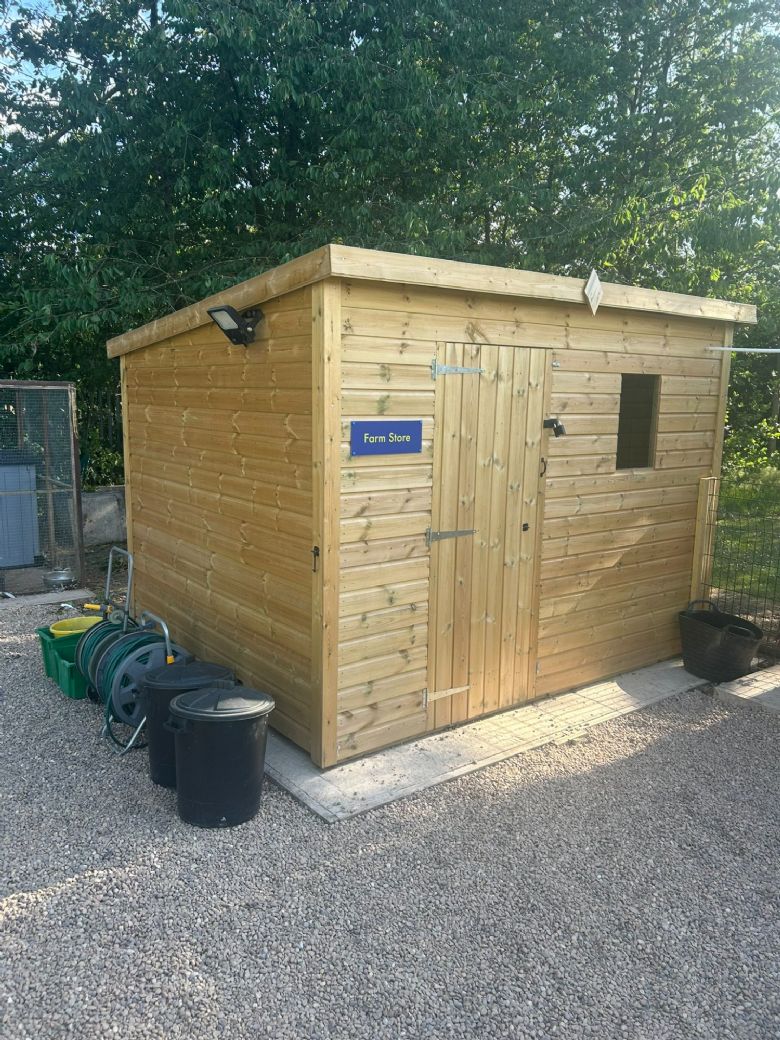
In 2025, our site team transformed the school farm, creating a safe, purposeful and accessible environment for both our animals and our pupils.
Through their dedication and hard work, the farm was redeveloped with carefully designed, secure enclosures that provide a high-quality environment for our animals to thrive.
The newly developed farm has become a valuable part of our learning environment, giving children from Nursery through to Year 6 the opportunity to visit and care for the animals, develop an understanding of the natural world, and learn about the importance of caring for our environment.
What was once a redevelopment project has become a truly special space within our school — one where children can learn, explore and build meaningful connections with animals and the world around them.

Visiting the Animals
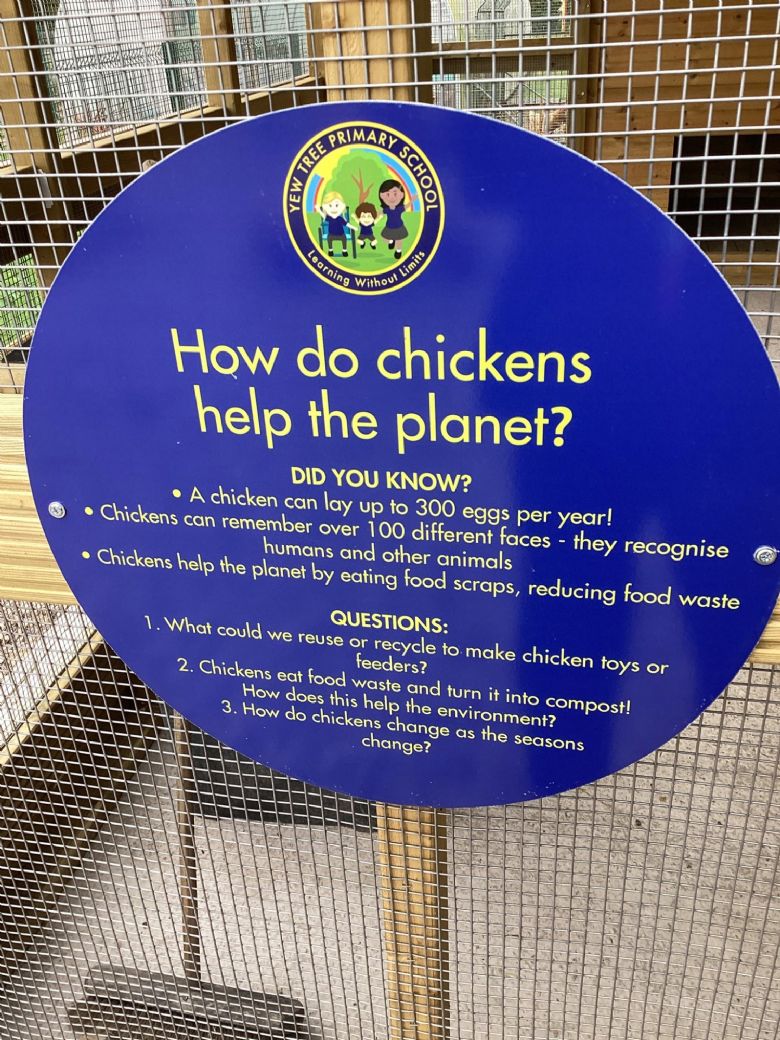
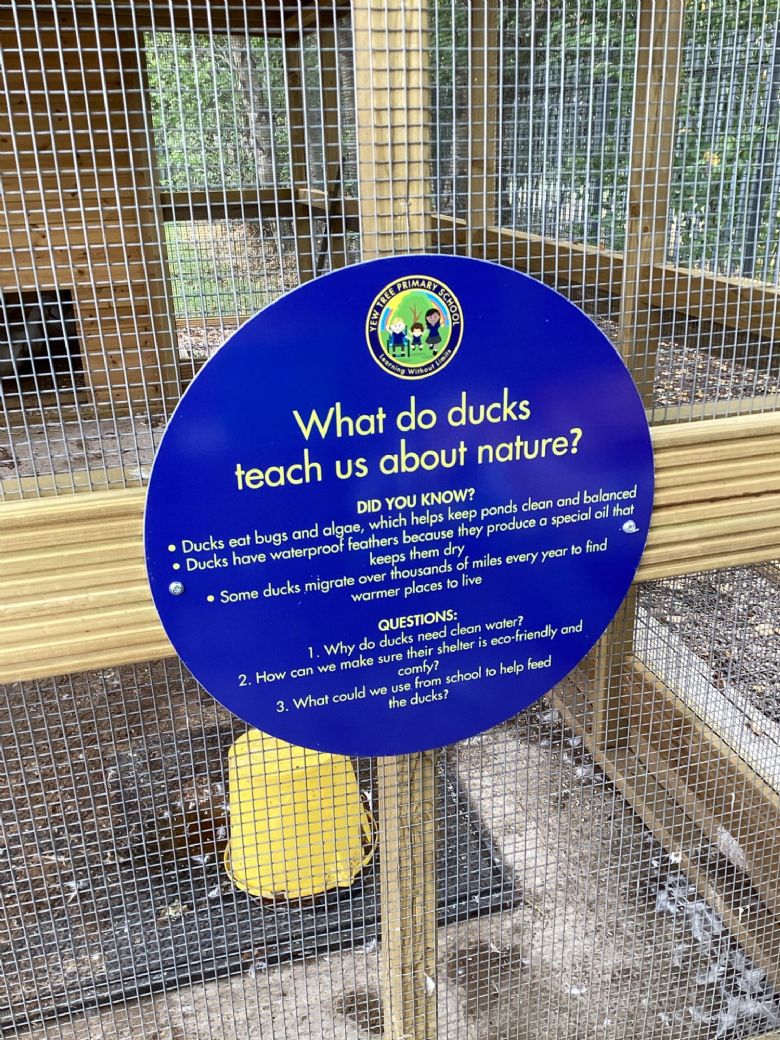
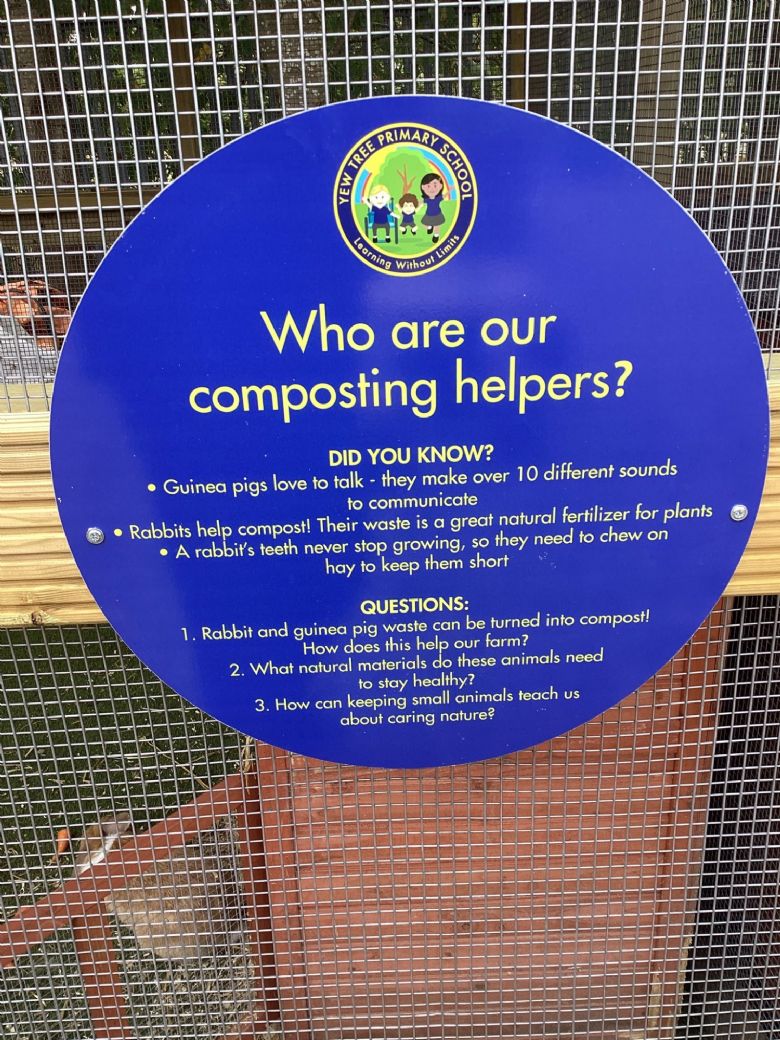
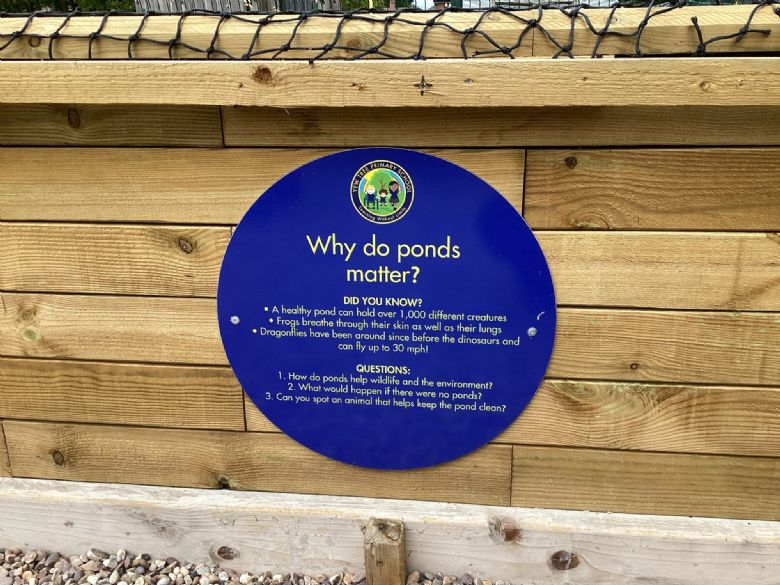
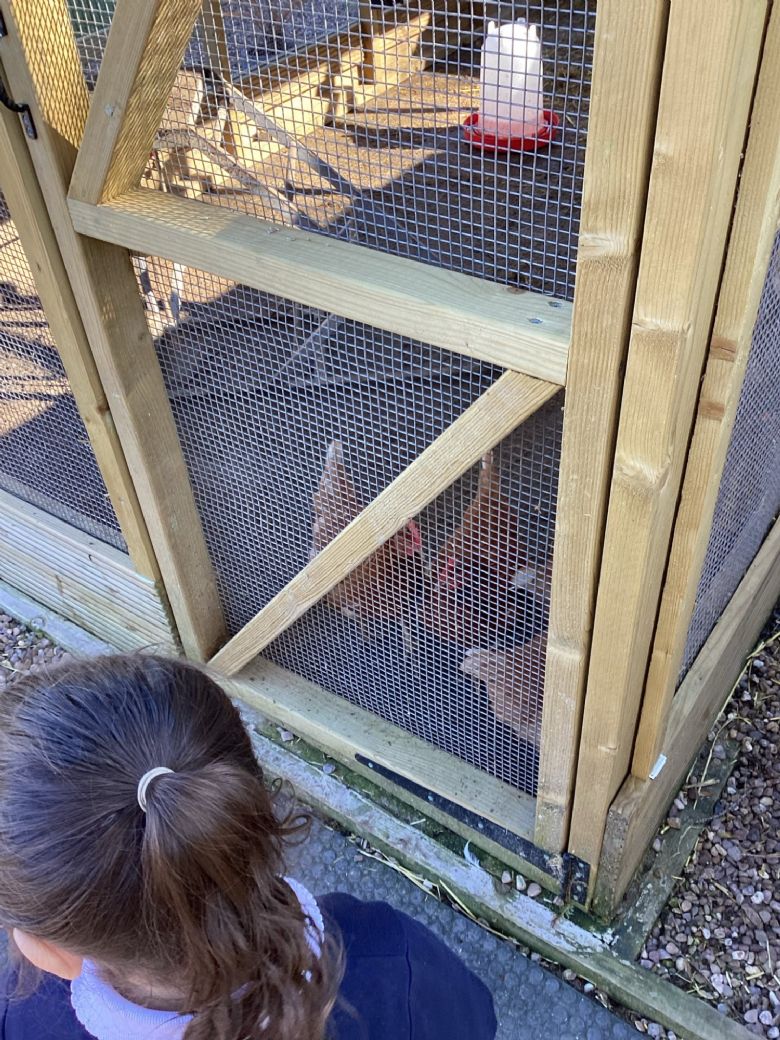
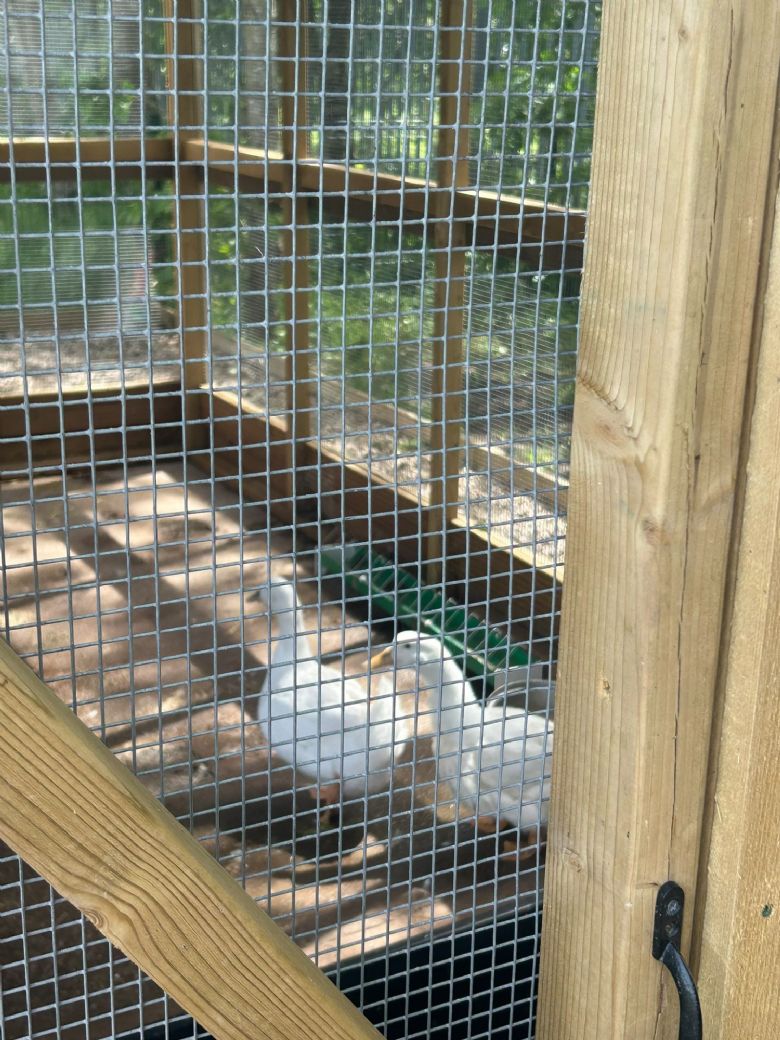
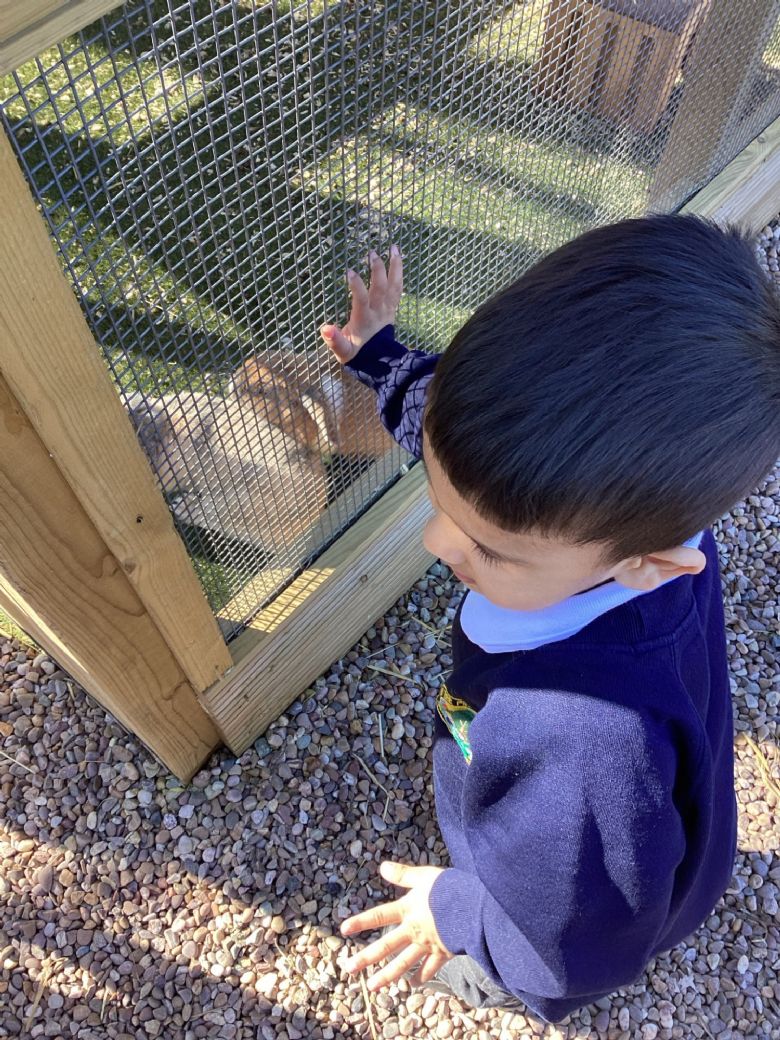
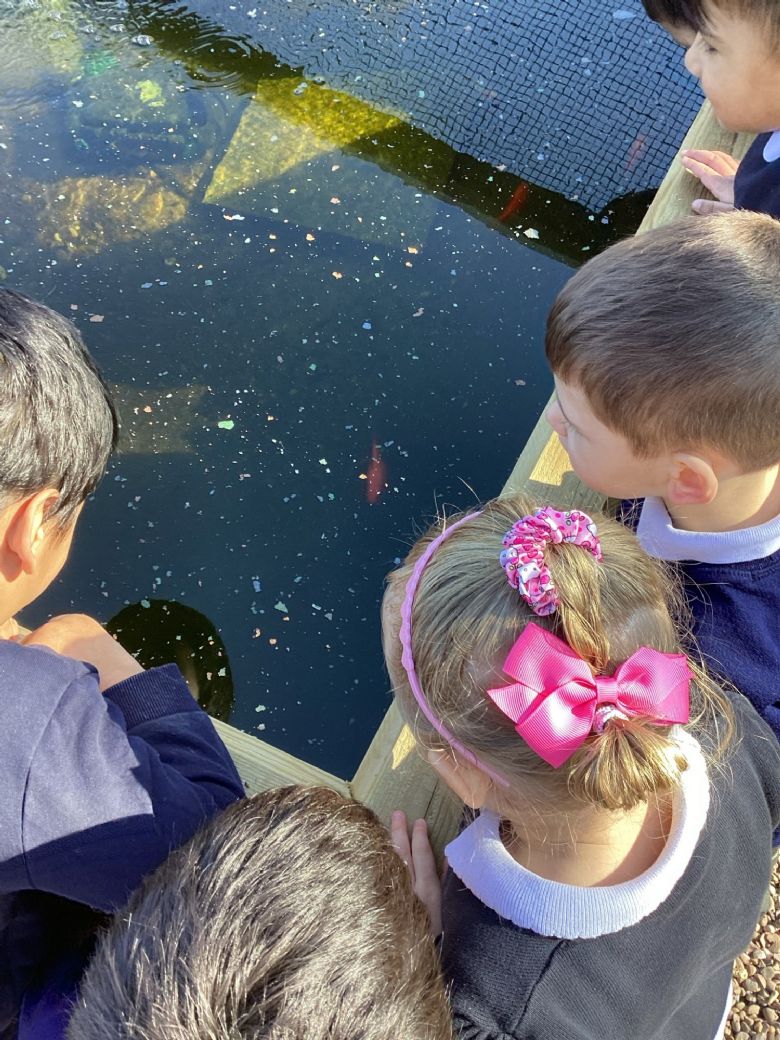
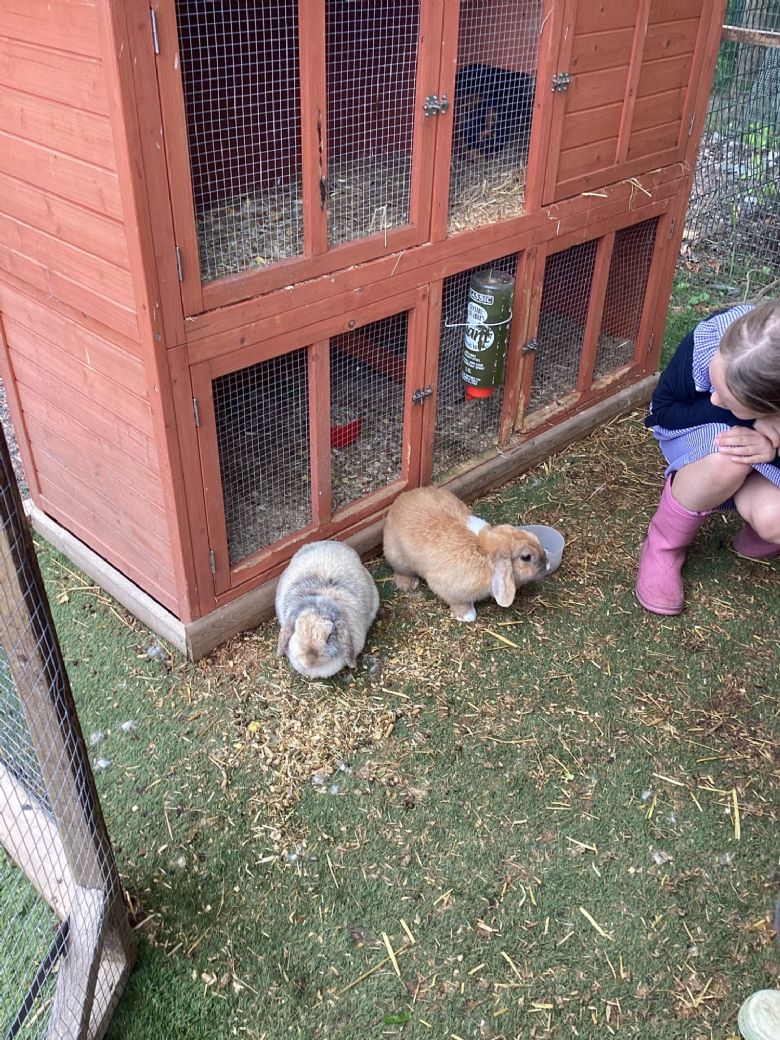
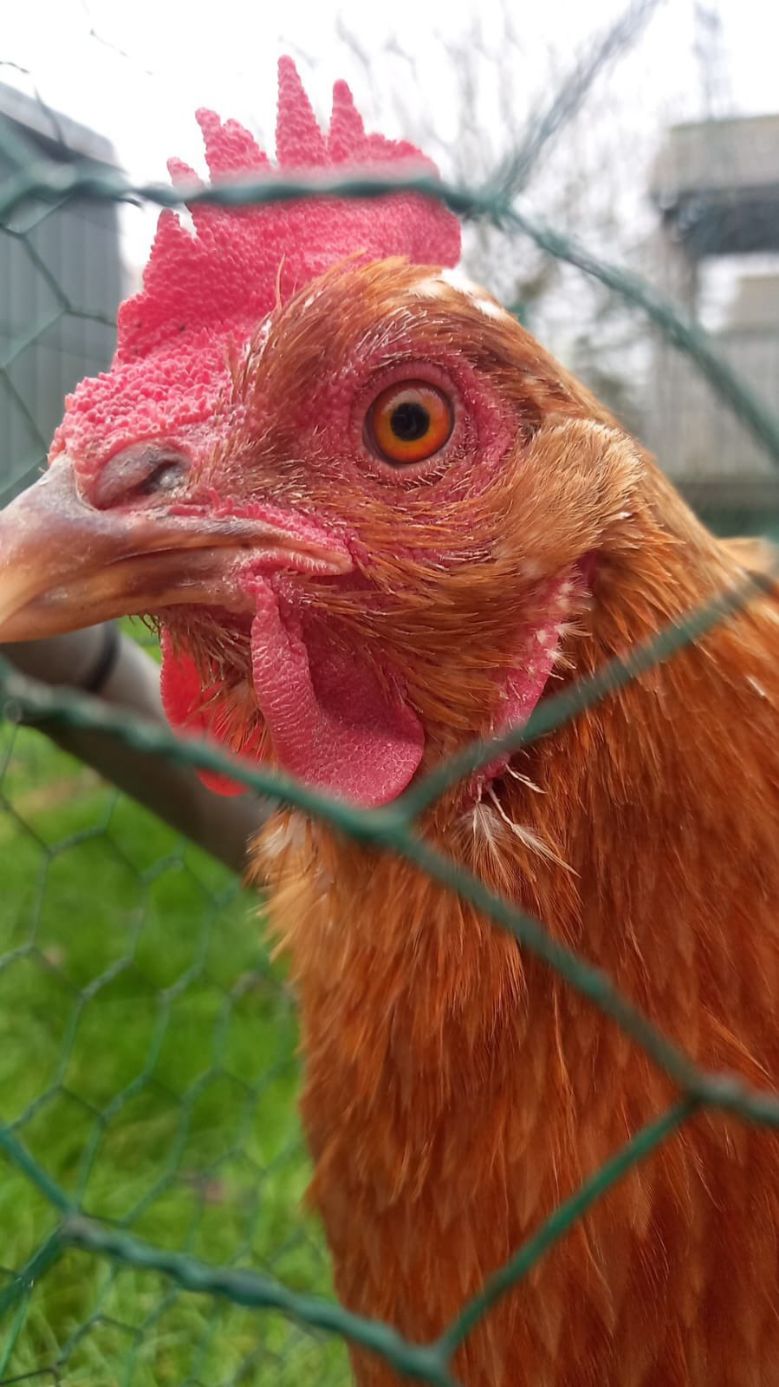
Our school farm provides children with regular opportunities to spend time with and care for a range of animals, including chickens, ducks, rabbits, guinea pigs and fish.
Children are actively involved in caring for the animals, helping to develop a sense of responsibility, compassion and respect for living things. These hands-on experiences also provide meaningful opportunities for children to observe, question and explore the world around them.
The farm is an integral part of our curriculum, enriching learning across a wide range of subjects. From observing animals and exploring habitats in Science, using the farm to support mathematical understanding, to developing creativity and artistic skills, children are able to apply their learning in a real and engaging environment.
The farm provides experiences that bring learning to life, encouraging curiosity, confidence, independence and a deeper understanding of the natural world.
Allotments
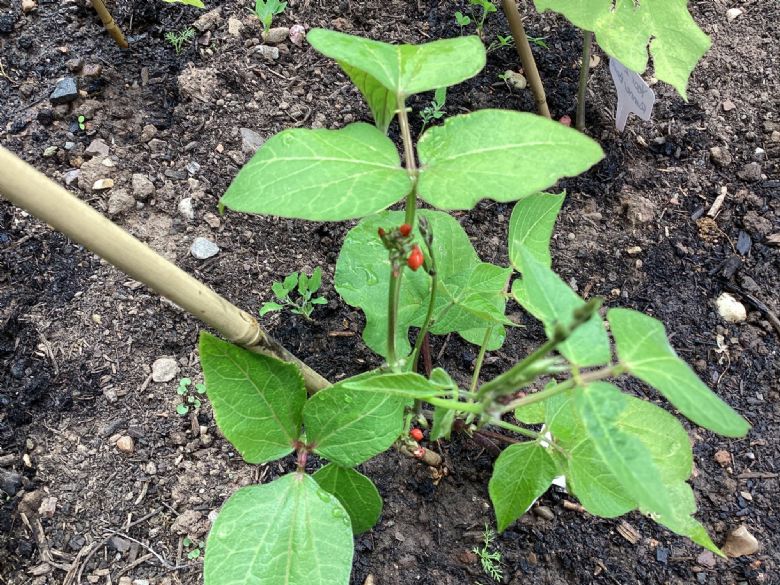
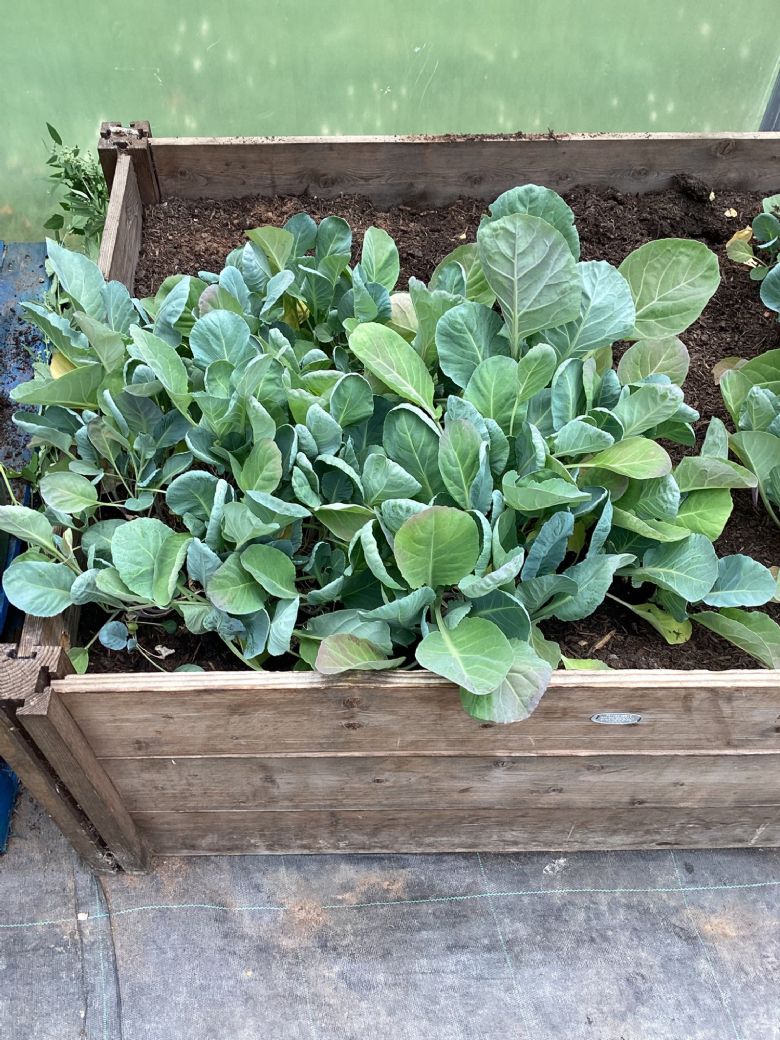
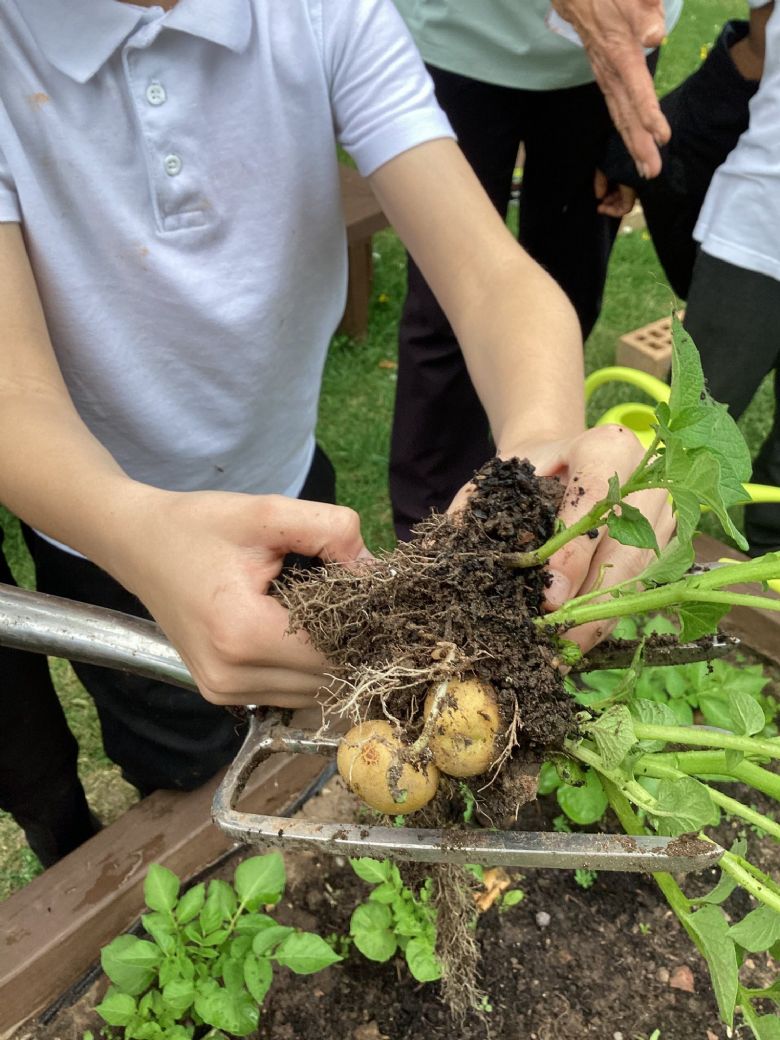
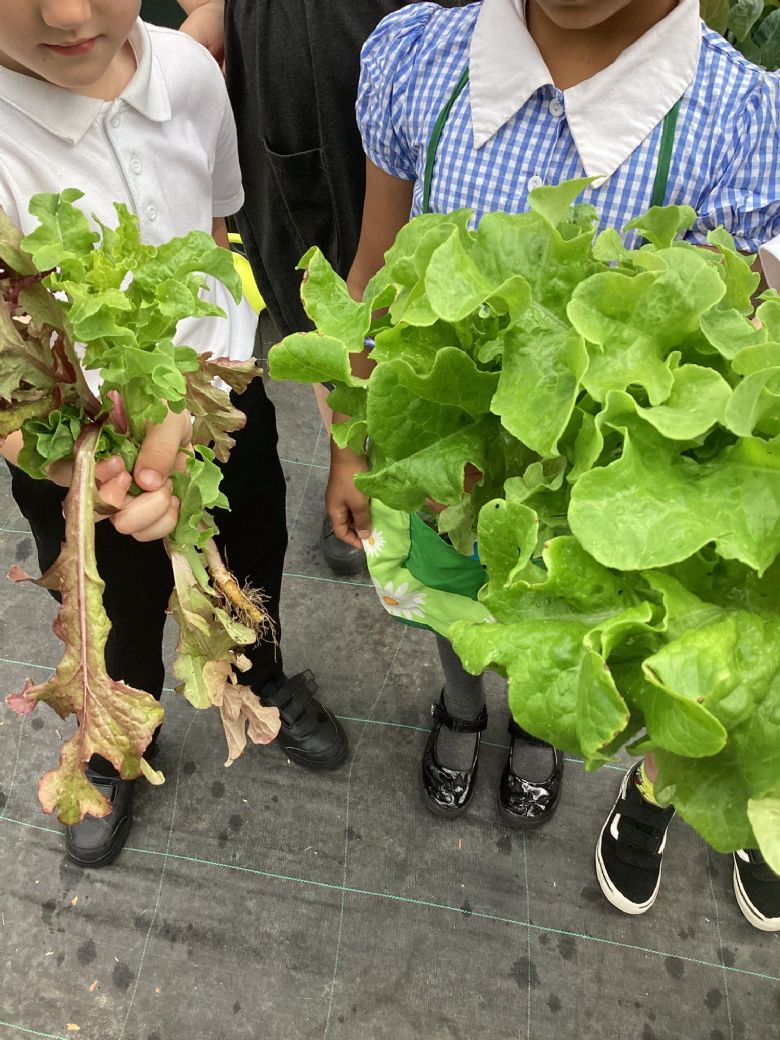
Our school allotment has been an established and valued part of Yew Tree Primary School for many years. It provides a wonderful outdoor learning environment where children from Nursery through to Year 6 have the opportunity to grow crops and vegetables and experience the complete growing cycle — from planting and nurturing seeds to harvesting and enjoying the crops they have grown.
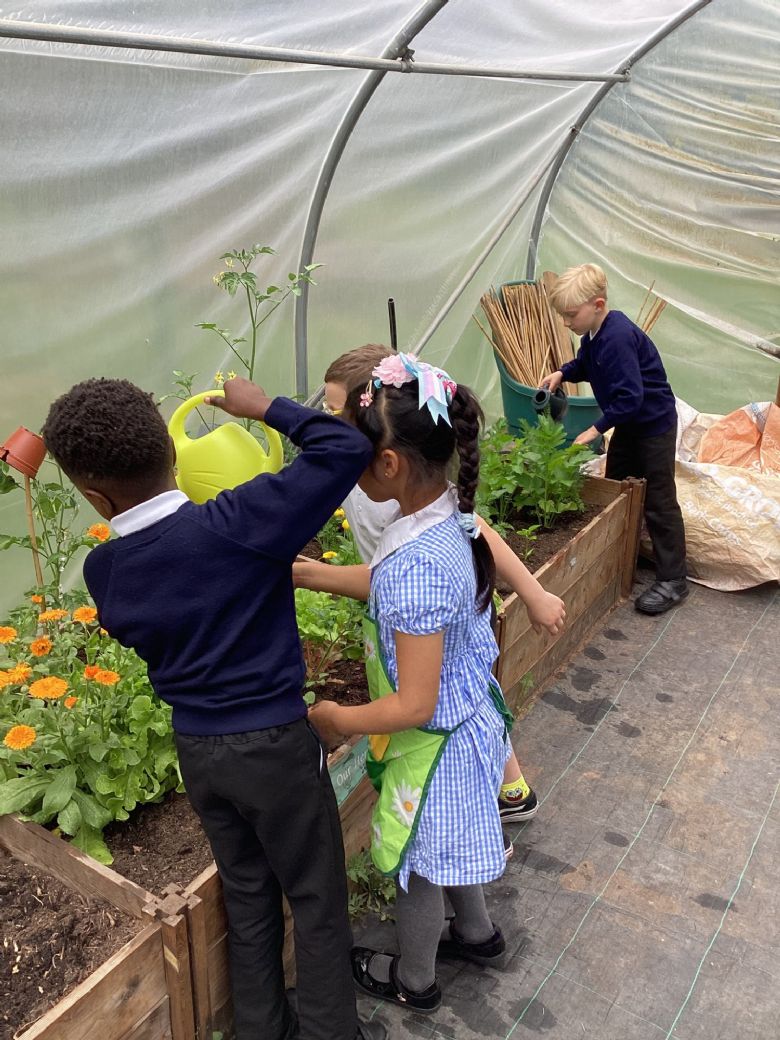
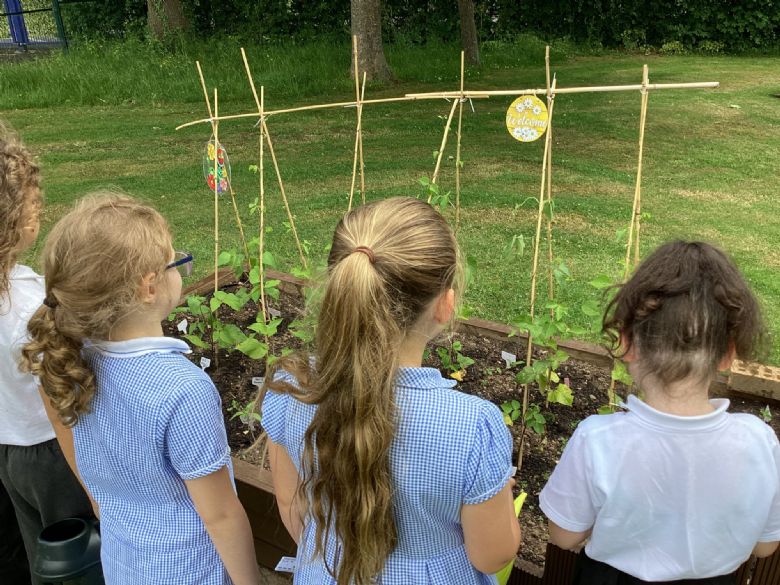
Each year group has its own dedicated vegetable bed, providing children with opportunities to develop their knowledge and understanding of plants, food, nature and the environment through practical experiences that complement the National Curriculum. Our working polytunnel also provides opportunities for children to explore growing throughout the seasons and observe how plants develop in different conditions.
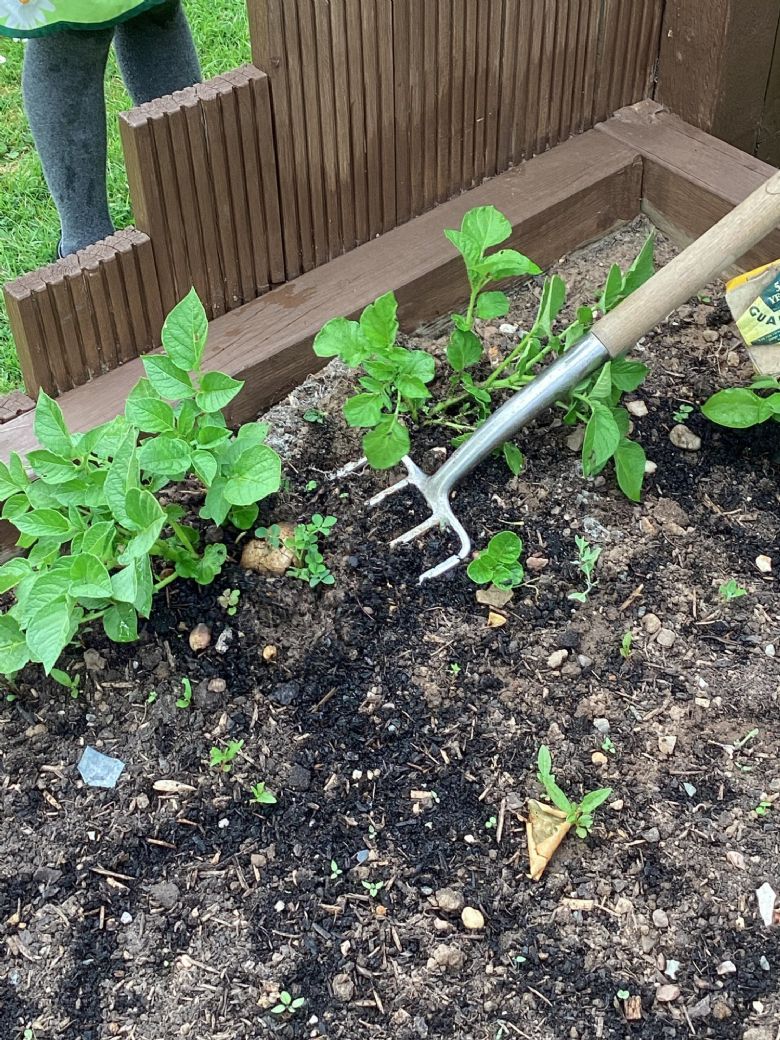
Children take an active role in caring for the allotment, learning to prepare the soil, plant seeds, water and nurture crops, and eventually harvest the vegetables they have grown. These experiences help to develop responsibility, patience, independence and a sense of pride and achievement.
Our popular Gardening Club meets weekly, giving children the opportunity to develop their gardening skills further, grow a variety of vegetables and experience the satisfaction of harvesting the produce they have nurtured. The children participate with great enthusiasm and take genuine pride in watching their plants grow and flourish.
The allotment is much more than a place to grow vegetables. It is a valued outdoor learning environment where children can learn through experience, connect with nature and see their classroom learning come to life.
What is in place?
- Our Grounds Assistant supports the allotments by managing the beds, controlling weeds and ensuring they are prepared and ready for planting.
- Each year group has selected a fruit or vegetable to plant and will begin planting once the beds are ready.
Follow our journey!
For more photographs, updates and a glimpse into the wonderful learning taking place across our school farm and allotments, follow us on X (formerly Twitter) @YewTreeSandwell.